Research
What Are Research Peptides and How Do They Differ From Medical Grade?
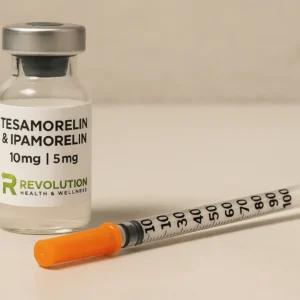
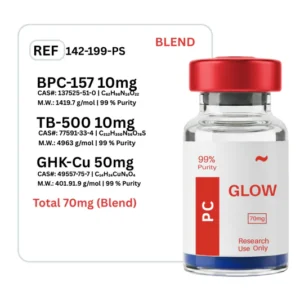
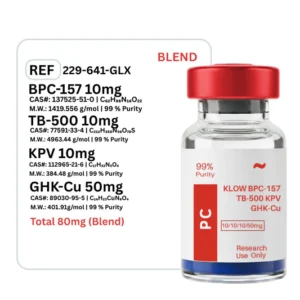
Buy Research Peptides Australia are short-term amino acid chains synthesized primarily to explore cellular pathways, biochemical structures, and receptor affinities within controlled laboratory environments. Although these compounds share identical chemical sequences with therapeutic peptides, their manufacturing parameters and quality controls serve entirely separate commercial purposes. For instance, while clinical-grade formulations must undergo rigorous human safety trials, research-only variants bypass individual diagnostic validation to facilitate rapid in vitro and animal modeling assays. Because academic interest in cellular mechanics continues to accelerate across major technological hubs, understanding how to legally buy research peptides Australia wide has become vital for modern biological institutions. Consequently, investigators must carefully differentiate between raw chemical reagents and consumer-facing prescription medications.
Navigating the TGA Guidelines and Legal Compliance Framework
Before scientific facilities attempt to source these experimental signaling molecules online, they must meticulously evaluate the strict legal definitions established within domestic borders. The Therapeutic Goods Administration (TGA) heavily monitors all synthetic peptides, classifying them firmly as Schedule 4 (S4) prescription-only substances if intended or marketed for human consumption. To maintain strict compliance with federal laws, suppliers must label these reagents strictly “for research use only” and prohibit personal self-administration. Furthermore, Australian Border Force regularly intercepts uncertified online shipments, placing the legal burden directly on the importer to prove legitimate scientific intent. Therefore, researchers must establish clear, institutional credentials before completing transactions to avoid severe regulatory penalties or immediate customs confiscation.
Critical Parameters for Sourcing and Laboratory Quality Control
Sourcing high-purity compounds through verified chemical synthesizers remains the only absolute way to ensure experimental validity and protect structural assay results from contamination. Because gray-market retail platforms frequently supply poorly filtered powders containing heavy metal residues or unlisted synthesis byproducts, loose procurement habits easily ruin sensitive laboratory data. Legitimate domestic suppliers, conversely, implement rigorous High-Performance Liquid Chromatography (HPLC) and Mass Spectrometry (MS) testing to verify a minimum ninety-eight percent purity benchmark. By utilizing certified, sterile production lines to assemble their custom sequences, these dedicated operations eliminate the random biological variables that ruin modern academic testing.
Reconstitution Protocols and Strict Storage Best Practices
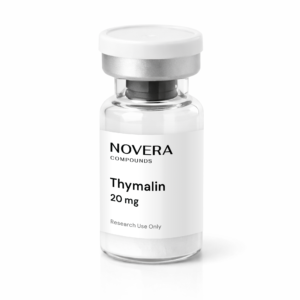
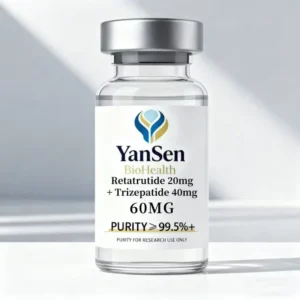
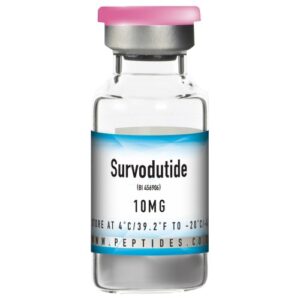
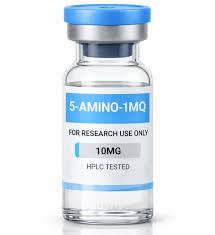
Because high-potency amino acid chains feature incredibly delicate molecular bonds, handlers must manage their preparation and long-term storage with absolute structural precision. Reagents arrive from specialized laboratories as a fragile, lyophilized white powder vacuum-locked inside clear glass vials to prevent moisture contamination. To properly prepare the solid for laboratory analysis, the technician must introduce a sterile diluent, such as bacteriostatic water, by allowing it to trickle gently down the inner glass wall. One must never shake the vial violently during fluid integration, as intense kinetic friction will instantly shear the fragile peptide strands. Ultimately, keeping the active solution under constant refrigeration between 2°C and 8°C preserves maximum biological stability throughout the testing lifecycle.